Catalogue of works
Chico da Silva
Painter of the fantastic, Pirambu School, Fortaleza
The painter
Biography →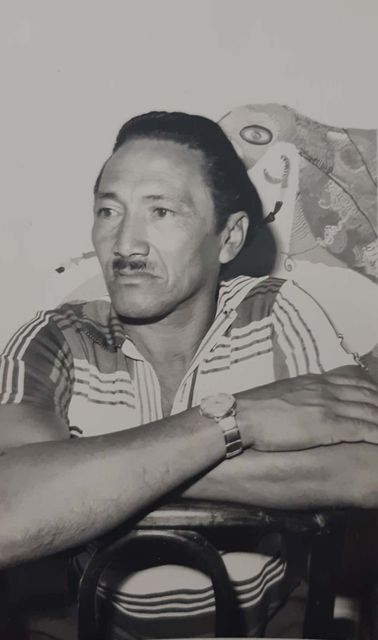
Francisco Domingos da Silva (c. 1910–1985), known as Chico da Silva, was born in the Alto Tejo, in Acre, the son of a Peruvian caboclo and a woman from Ceará, and reached Fortaleza as a young man. Illiterate all his life, he was drawing fish, snakes and birds in charcoal on the walls of the fishermen's shacks at Praia Formosa when the Swiss painter Jean-Pierre Chabloz found him in 1943 and gave him paper and gouache.
Chabloz showed the gouaches in Geneva, Lisbon and Lausanne; Chico never left Brazil. In the 1960s he painted at the art museum of the University of Ceará, reached the galleries of Rio and São Paulo and, in Pirambu, where he lived, gathered the disciples who became known as the Pirambu School. In 1966 he received an honourable mention at the Venice Biennale.
Fame brought the copies, sold by the thousand under his name, and with them suspicion: Chabloz, who had discovered him, came to call him a "doubtful painter", and the market collapsed while he was still alive. The Venice award never reached his hands. He died poor in Fortaleza in 1985, with a funeral paid for by the state and four wreaths on the coffin.
History set about rewriting that fate. Since 2020, when Fortaleza declared a Chico da Silva Year, there has been a retrospective at the Pinacoteca de São Paulo, seen by nearly 89,000 people in 2023, and solo shows in New York, Shanghai and Nottingham. Today he is the foremost name in Brazilian naïve art, with works at the Centre Pompidou and MASP and a gouache at Tate in London. He had said as much: "While I am alive I have value, and if I die I will have double value."
João Cunha Collection
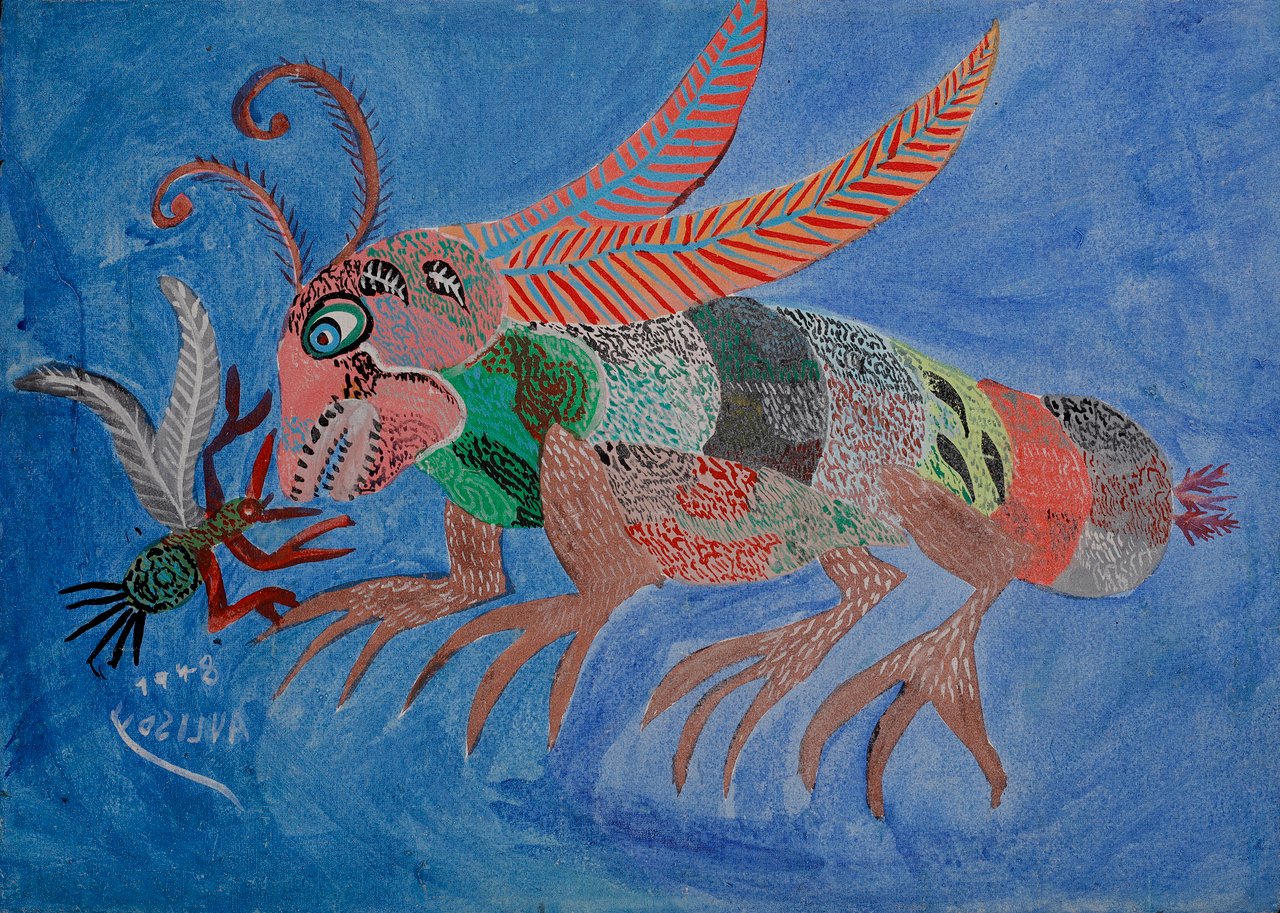
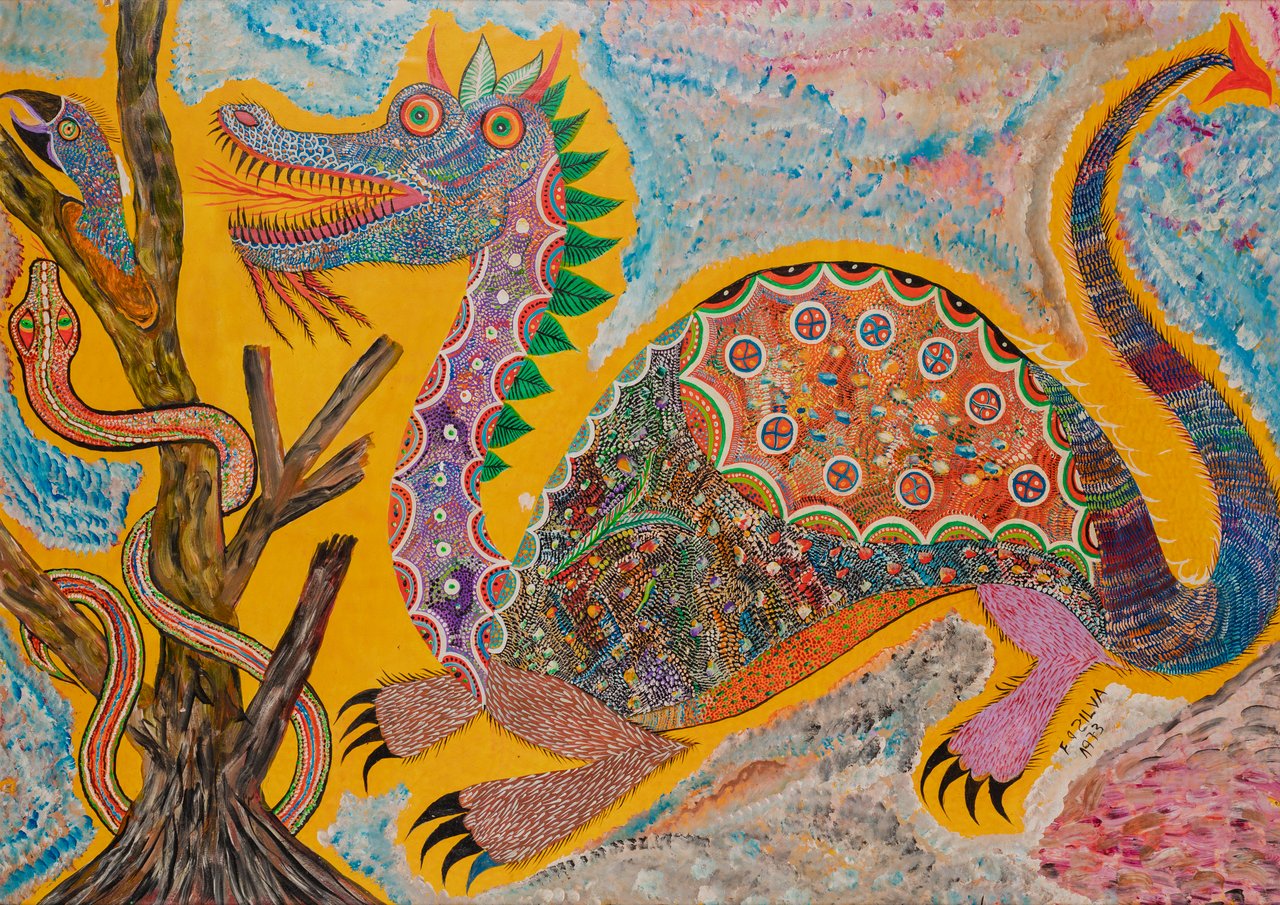
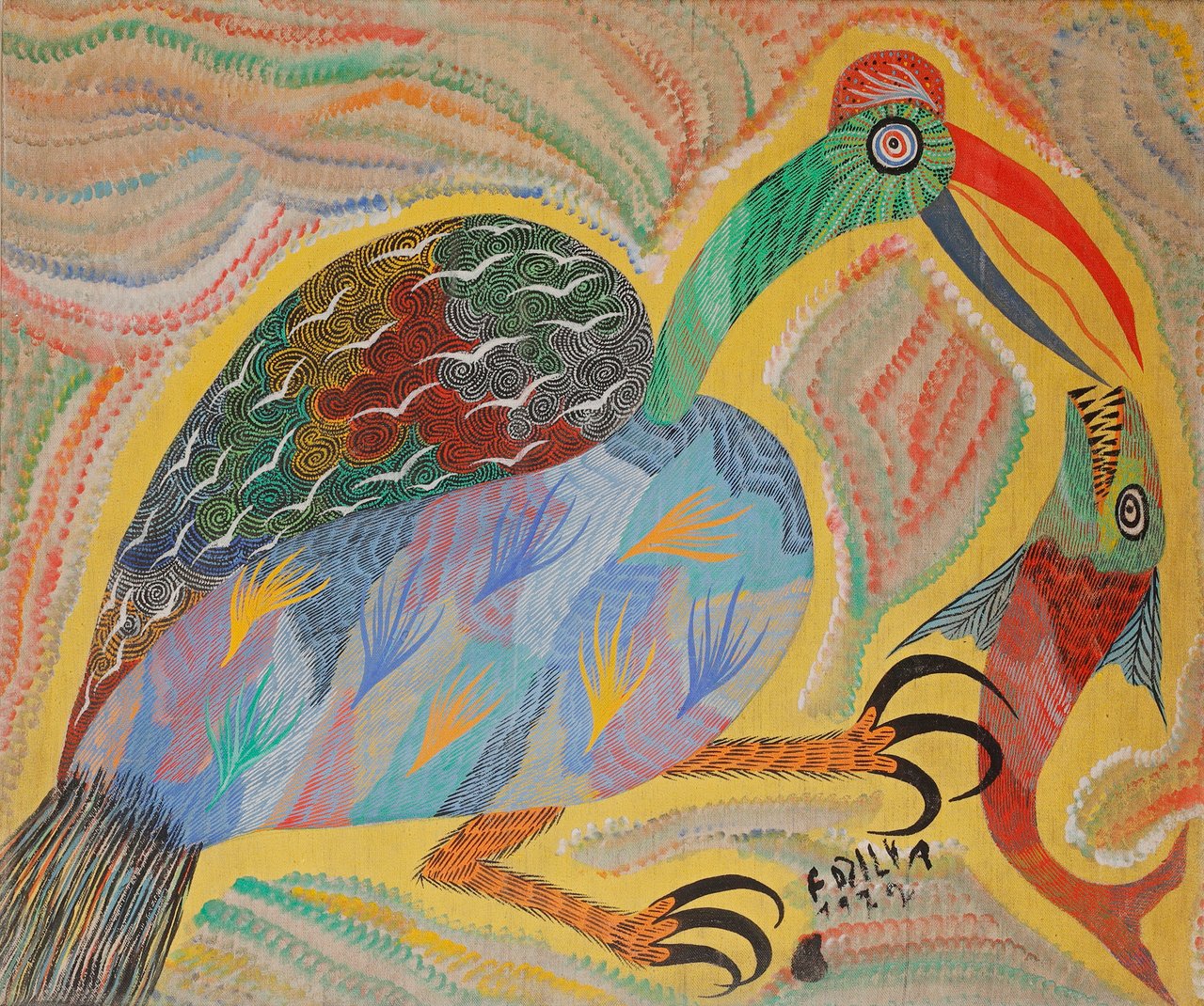
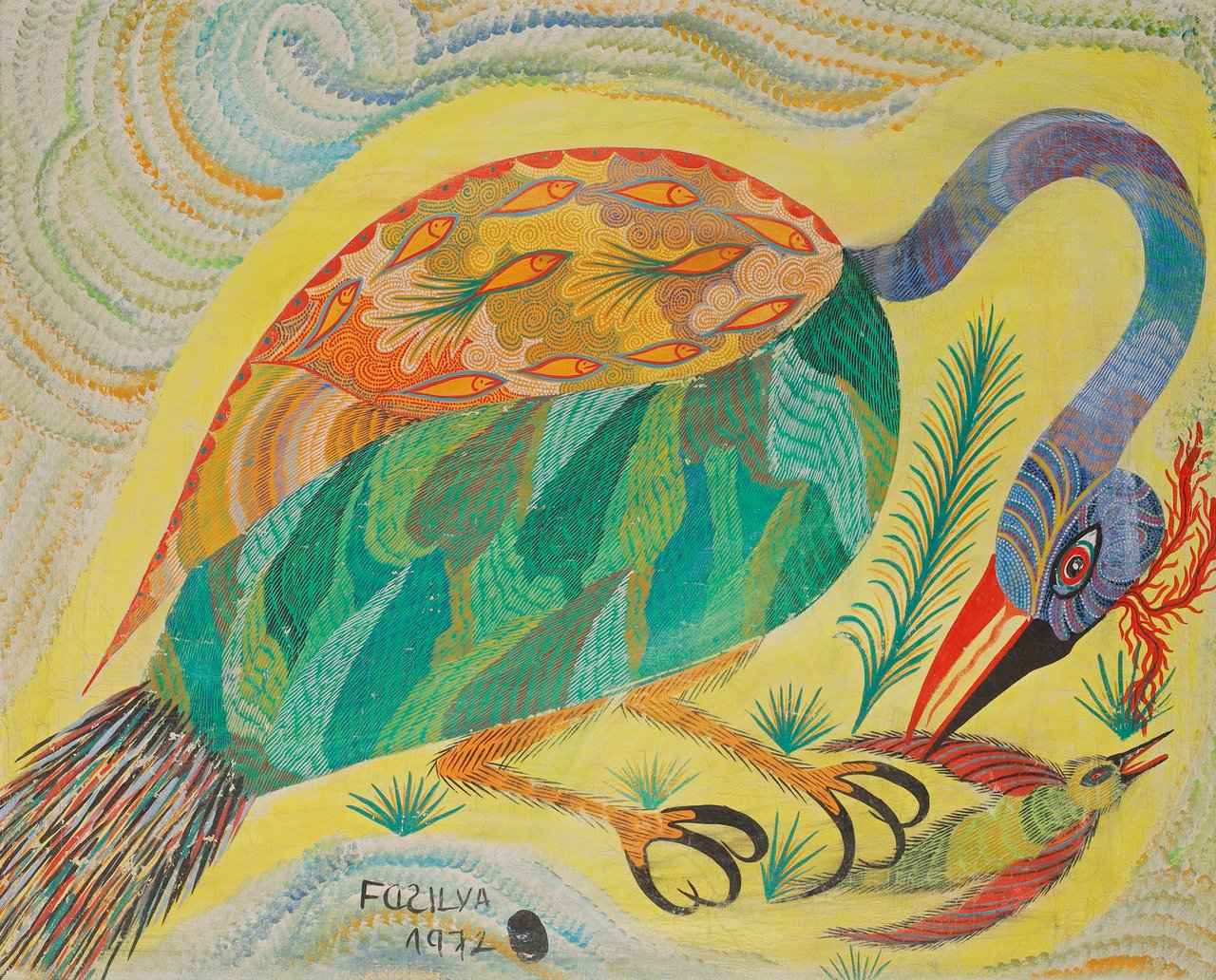
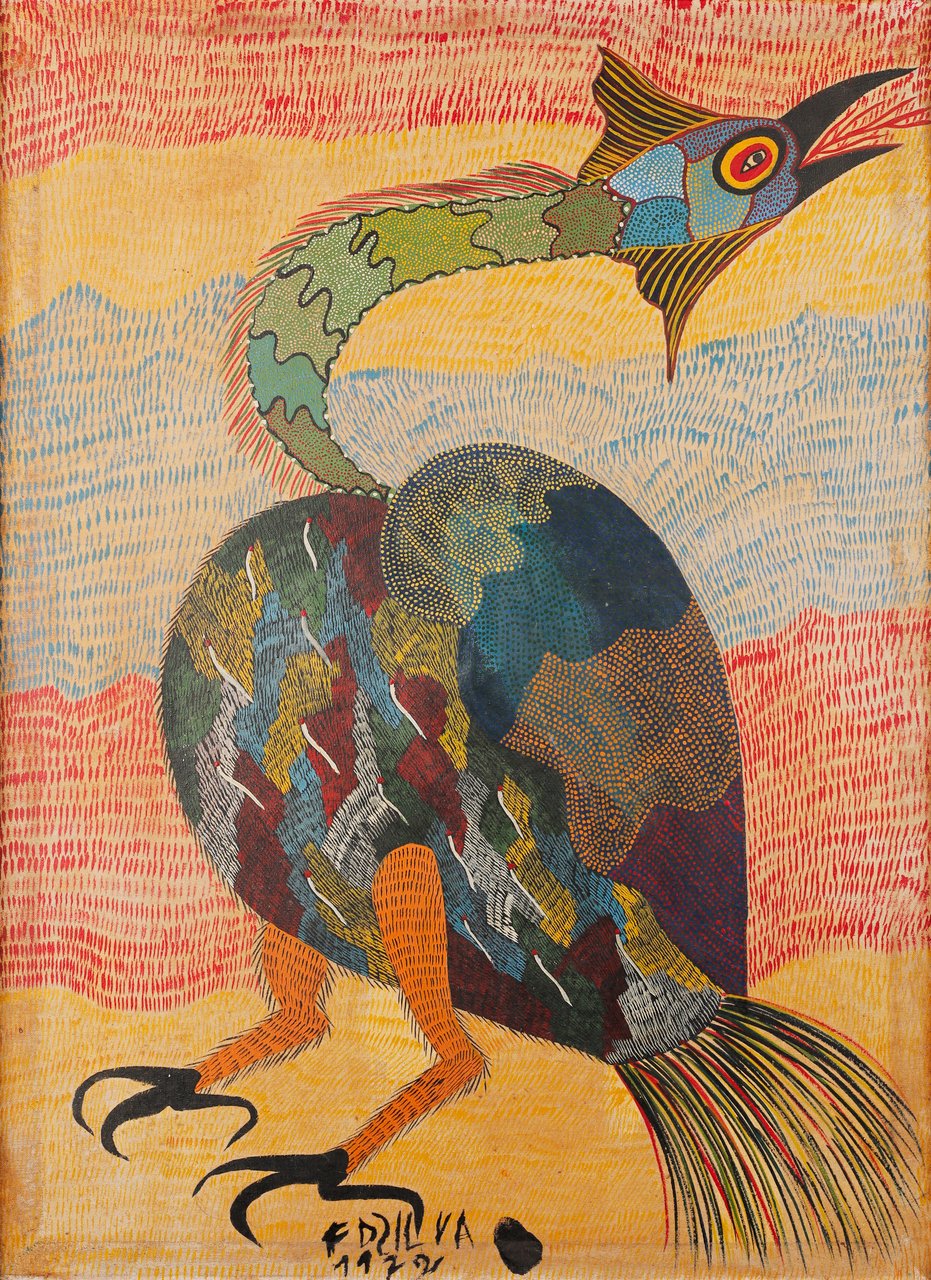
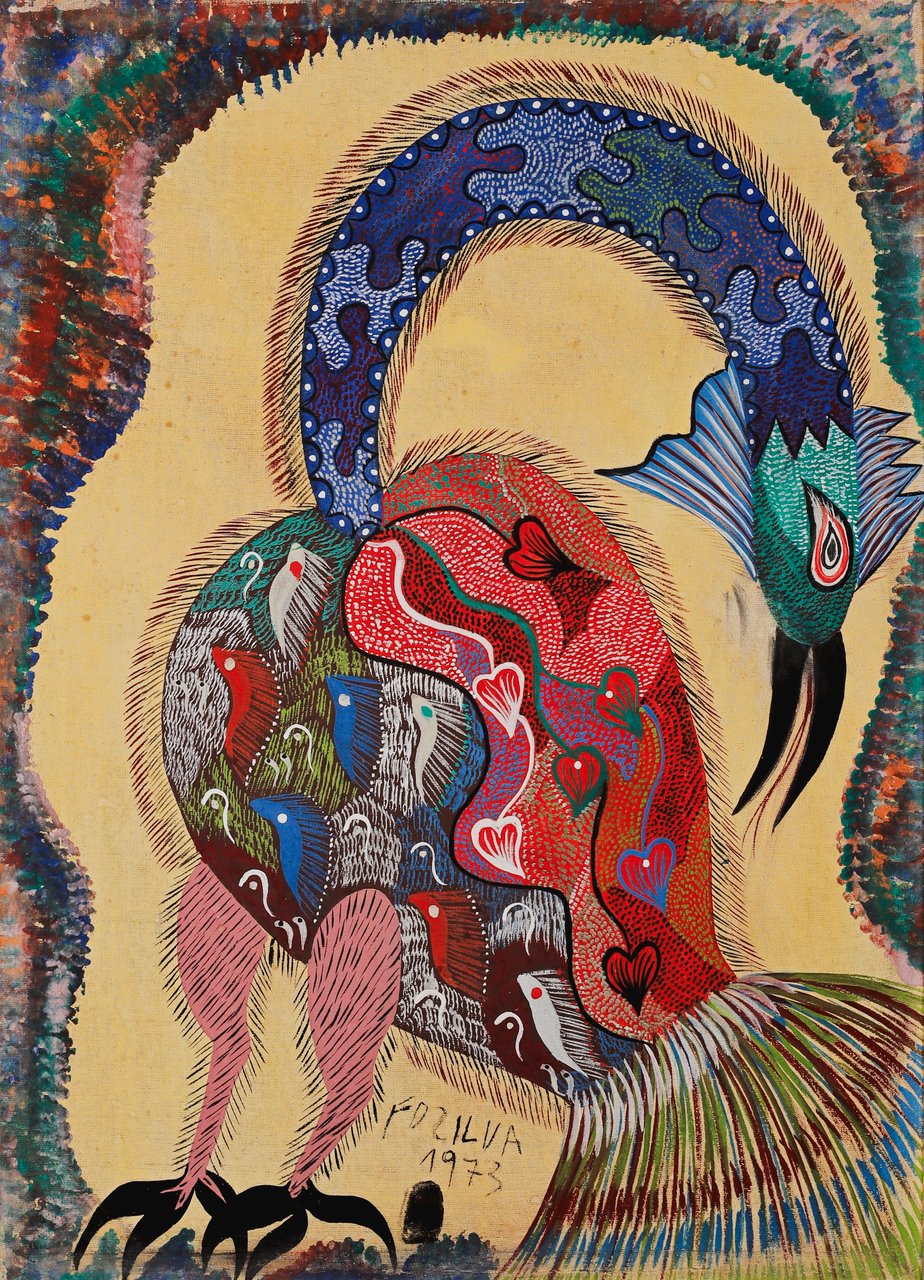
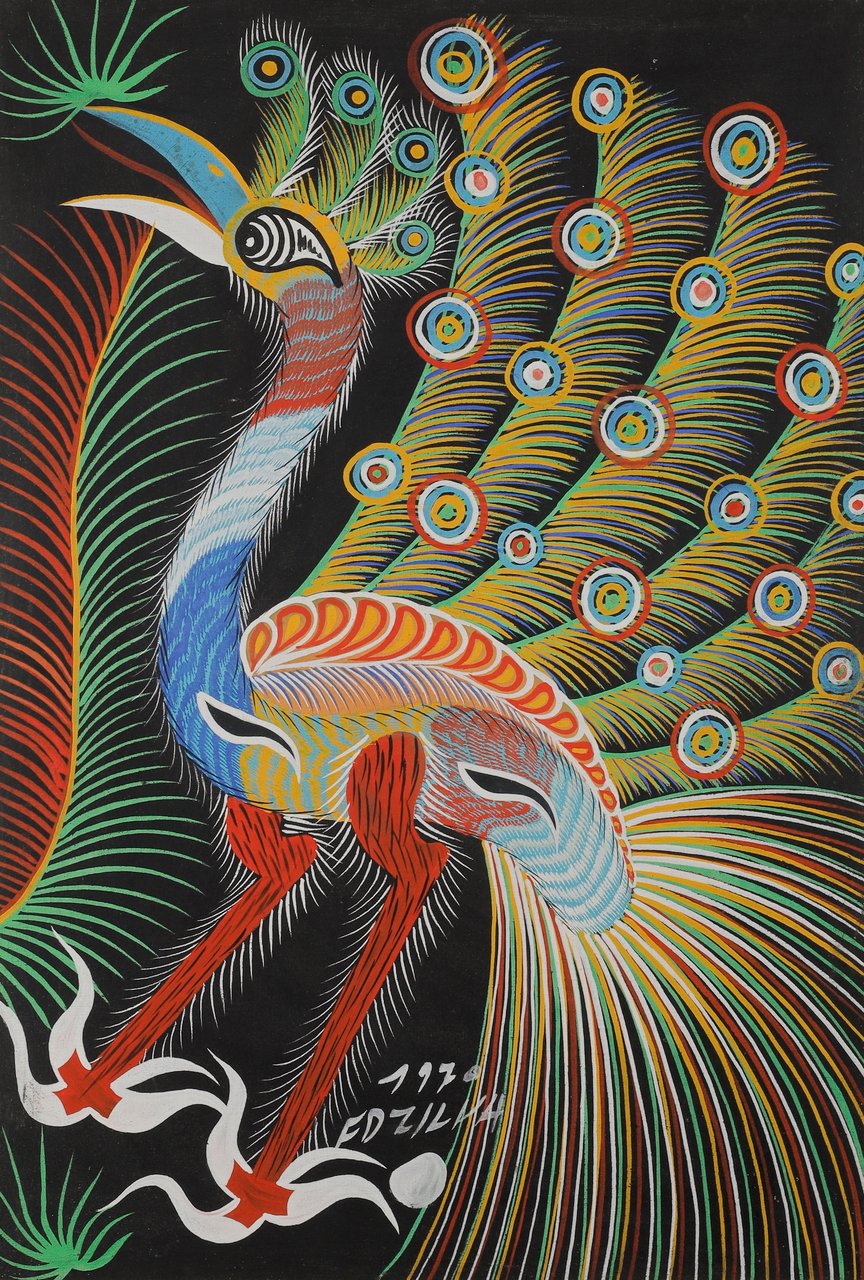
See all works →The collection brings together more than a hundred works by Chico da Silva and the Pirambu School. Alongside the master's own paintings are the canvases the collective studio made by many hands, and the work of those who learned from him and still paint.
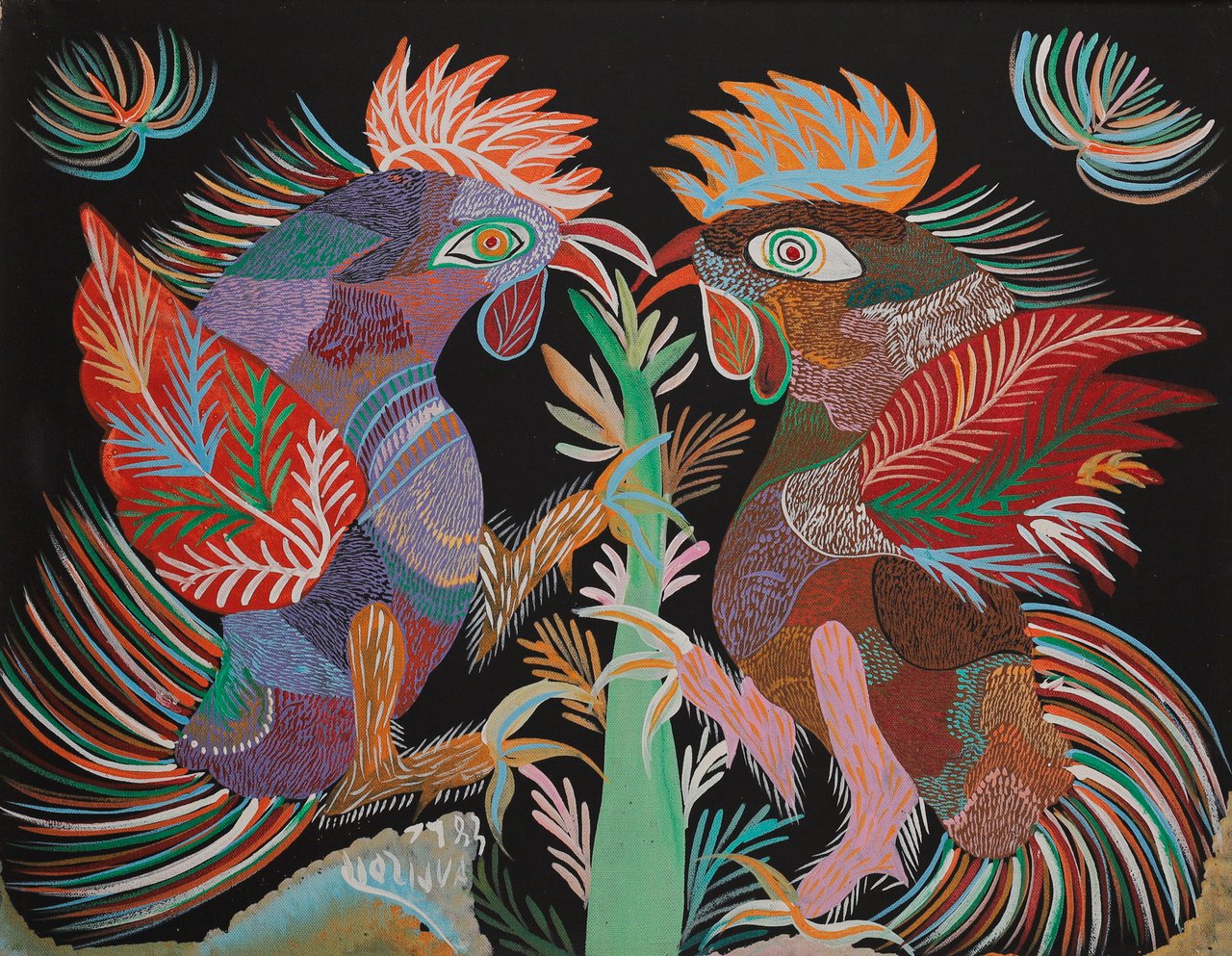
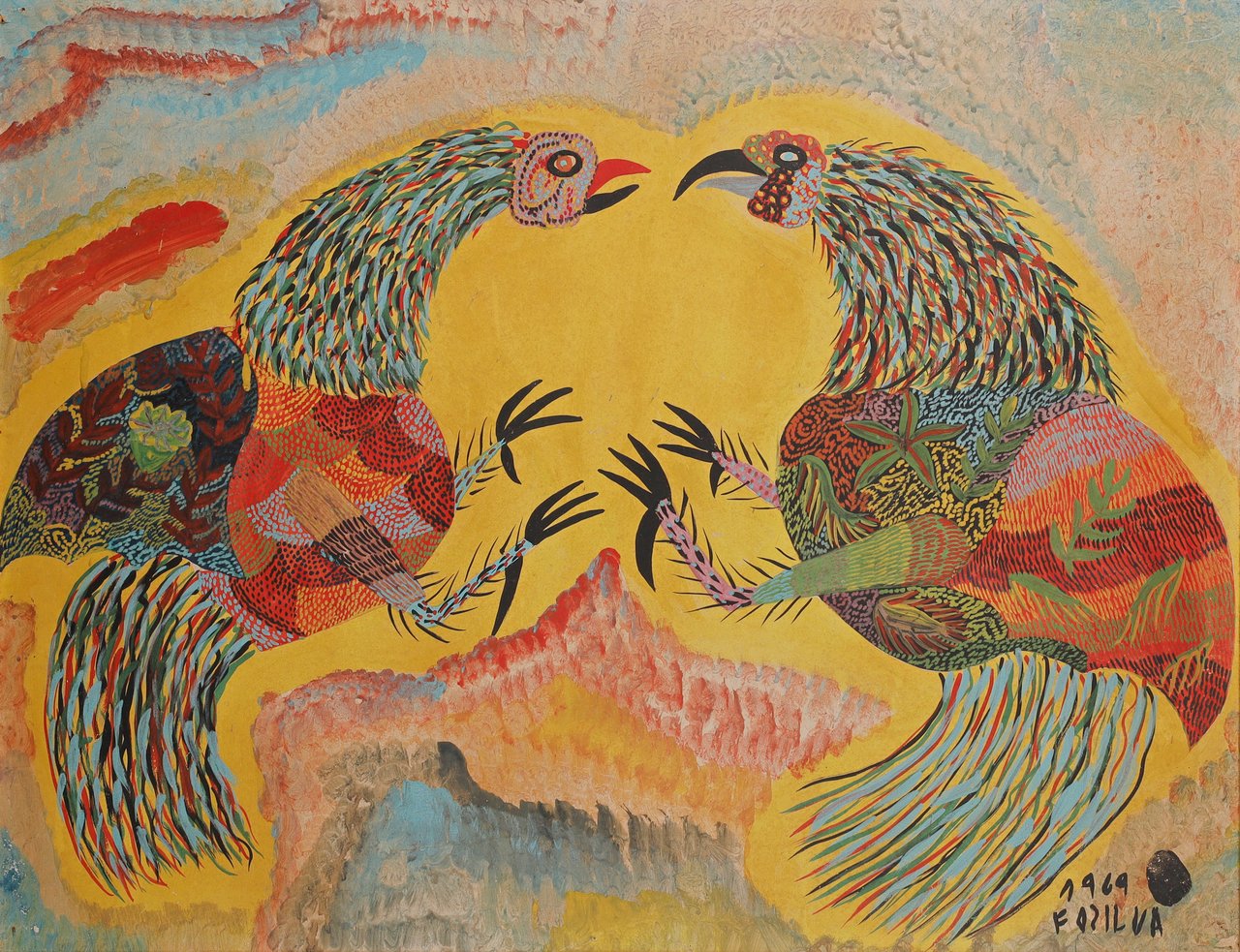
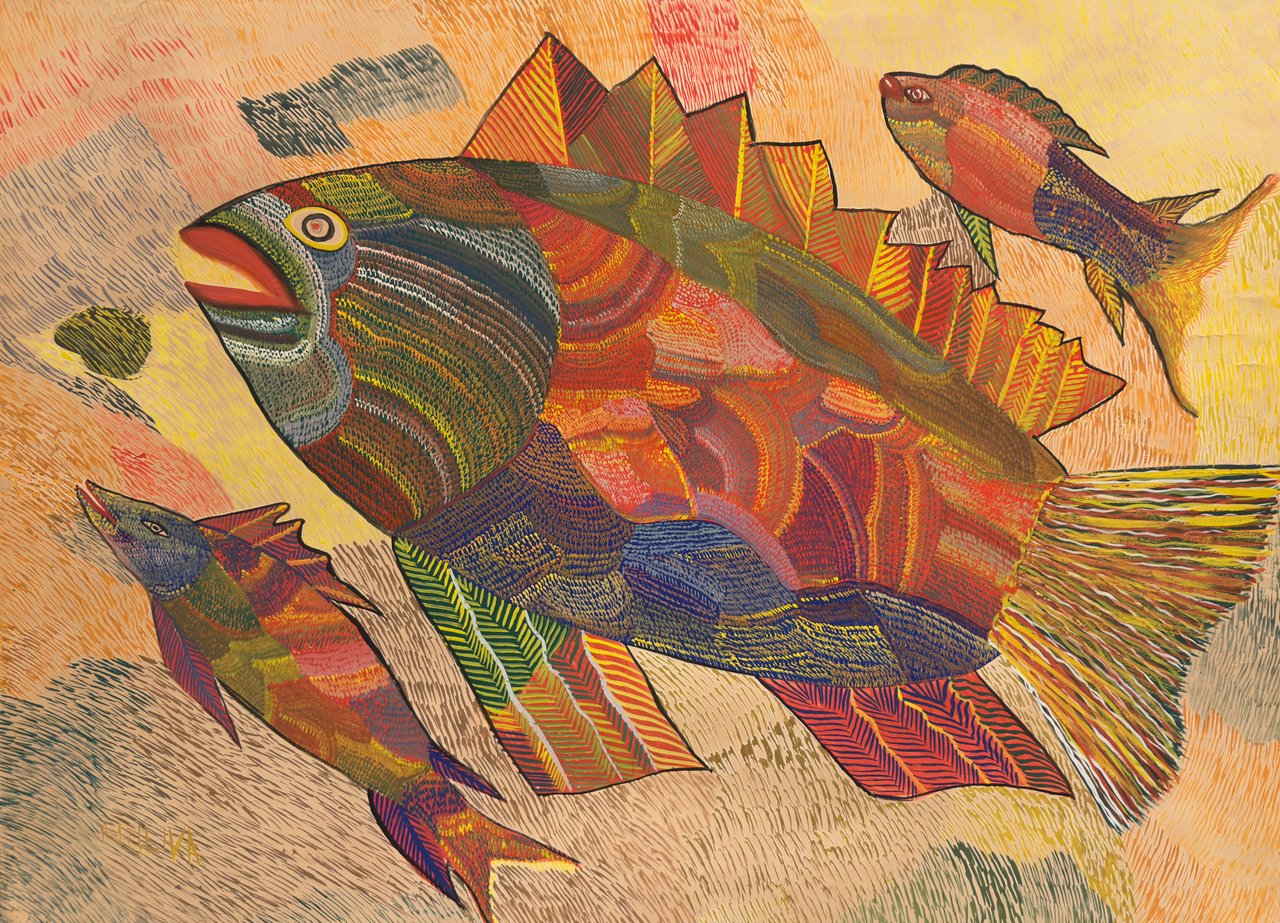
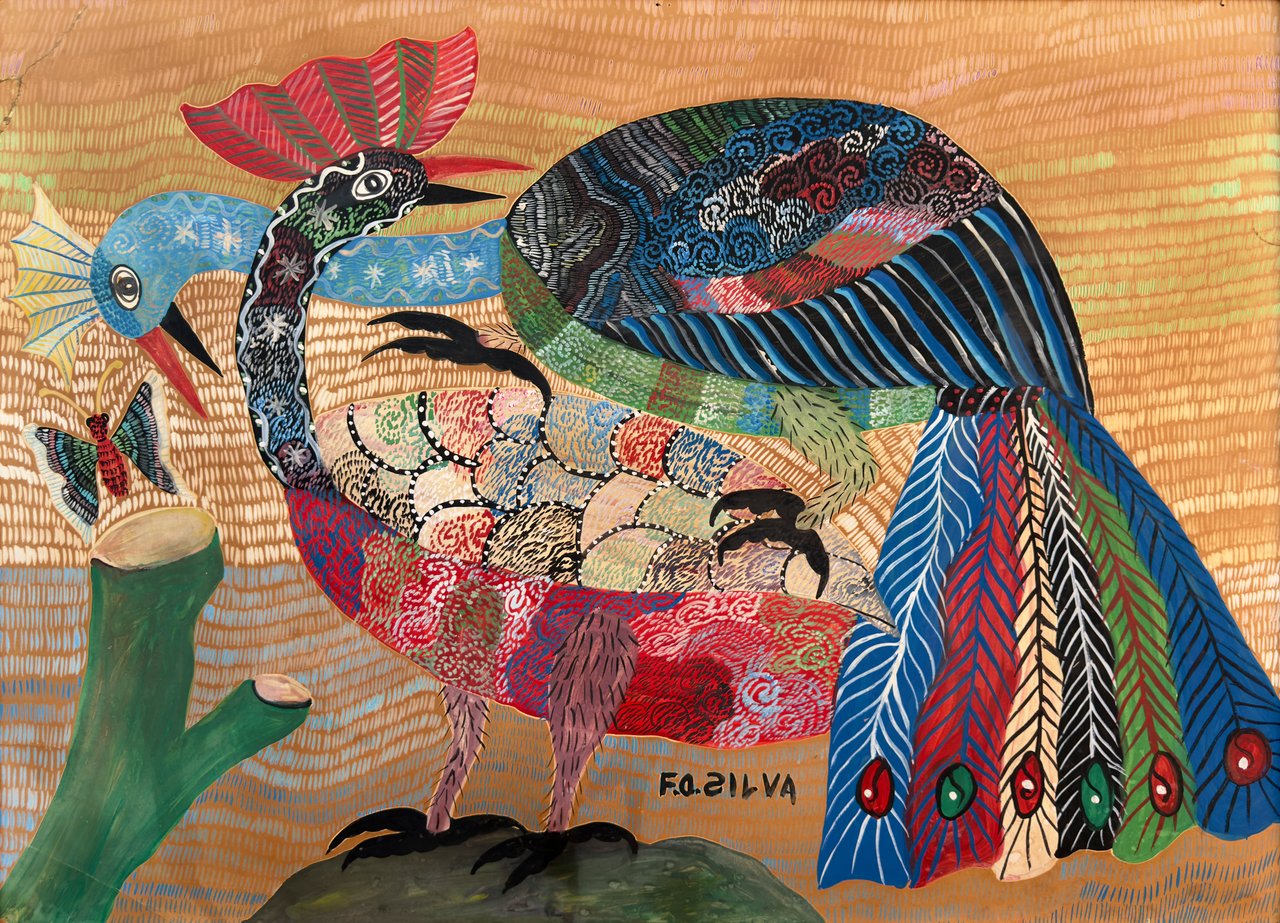
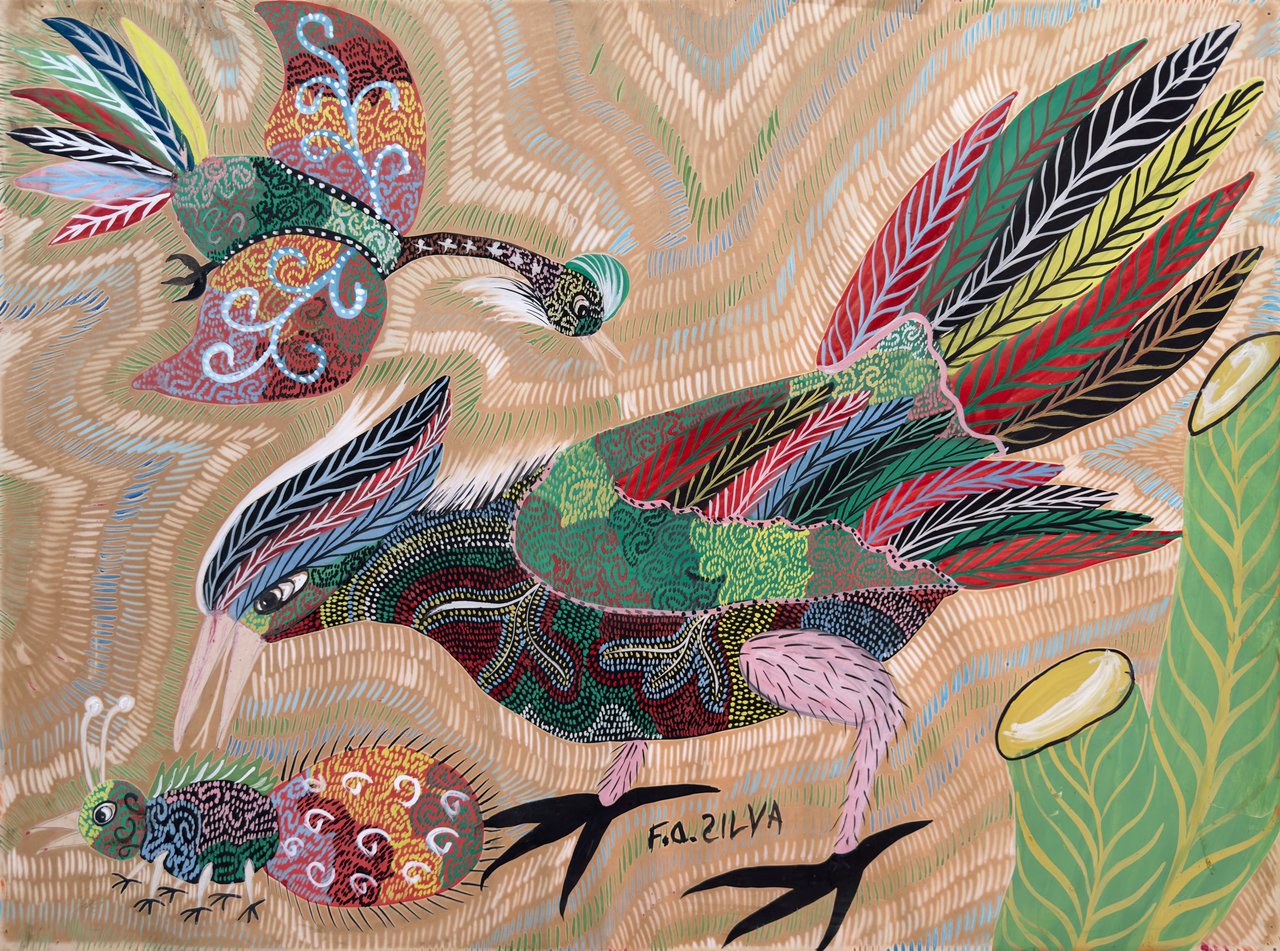
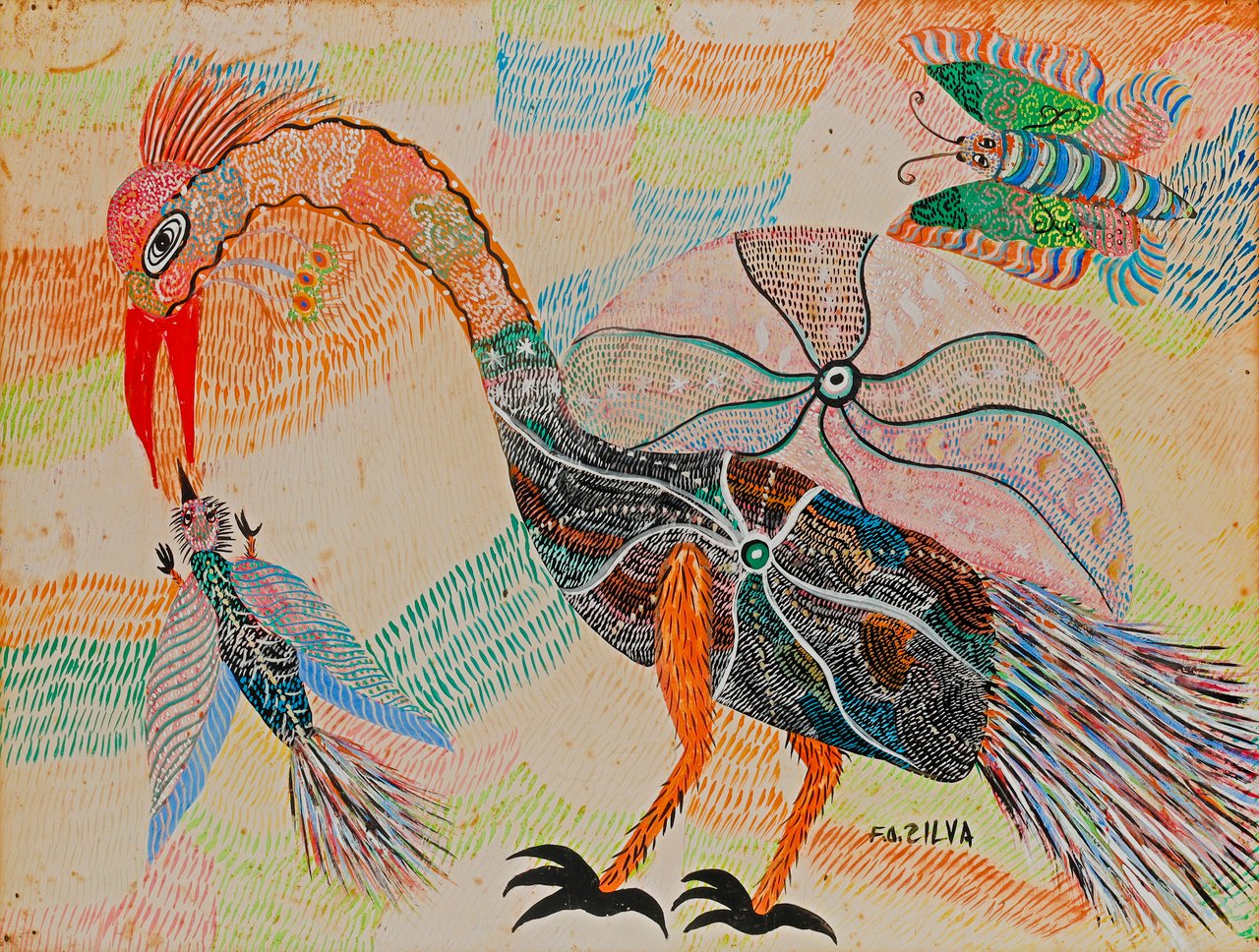
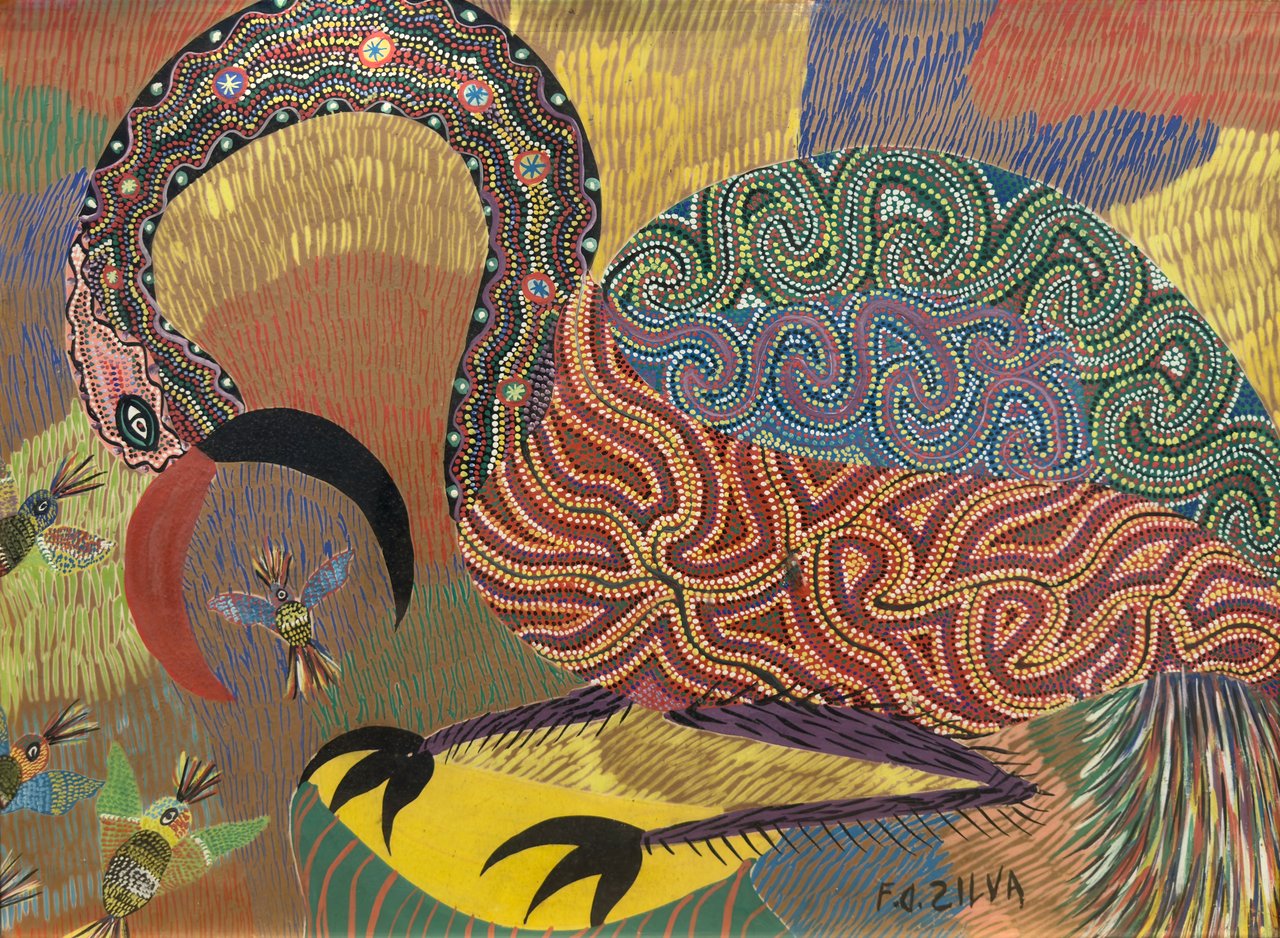
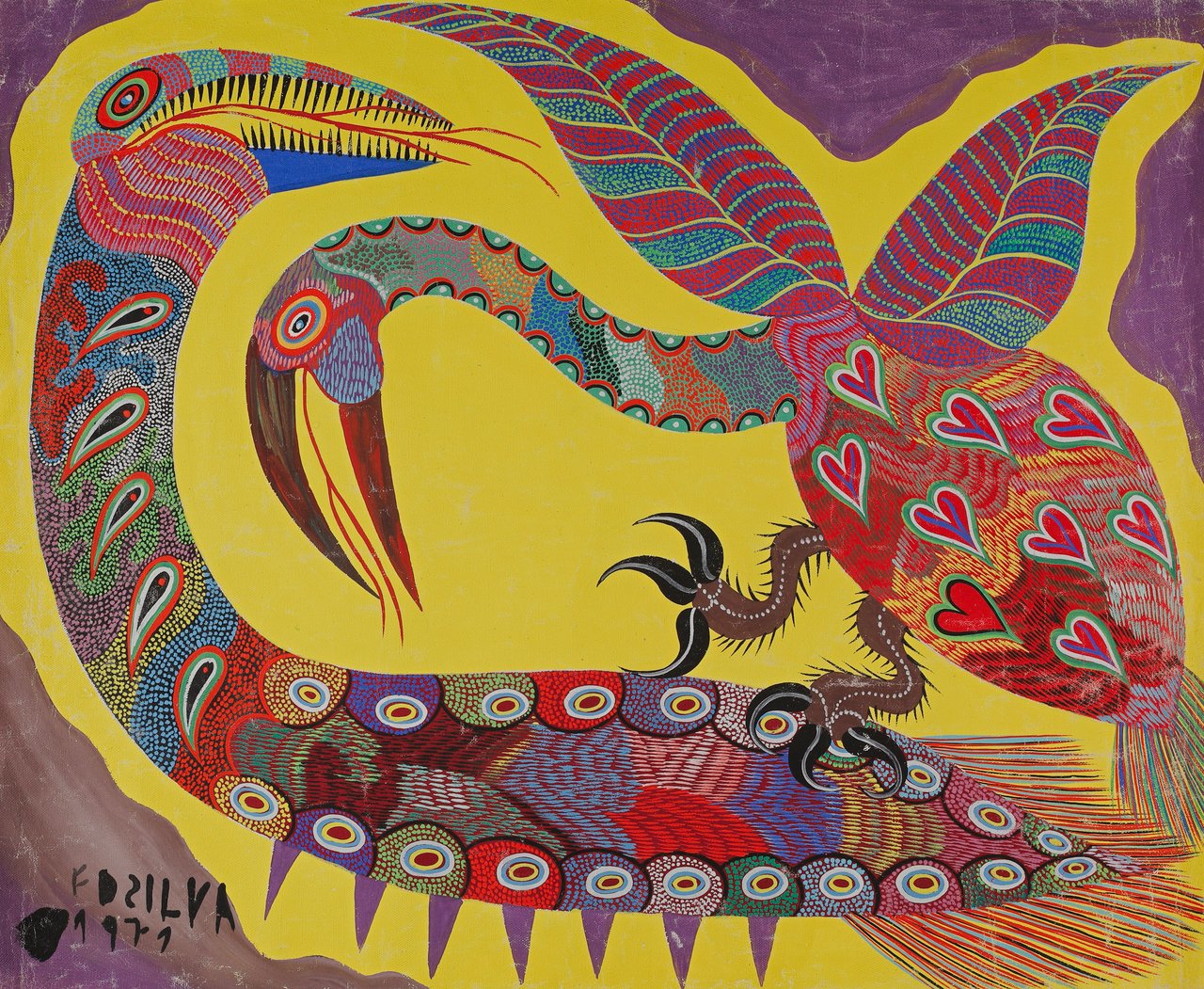
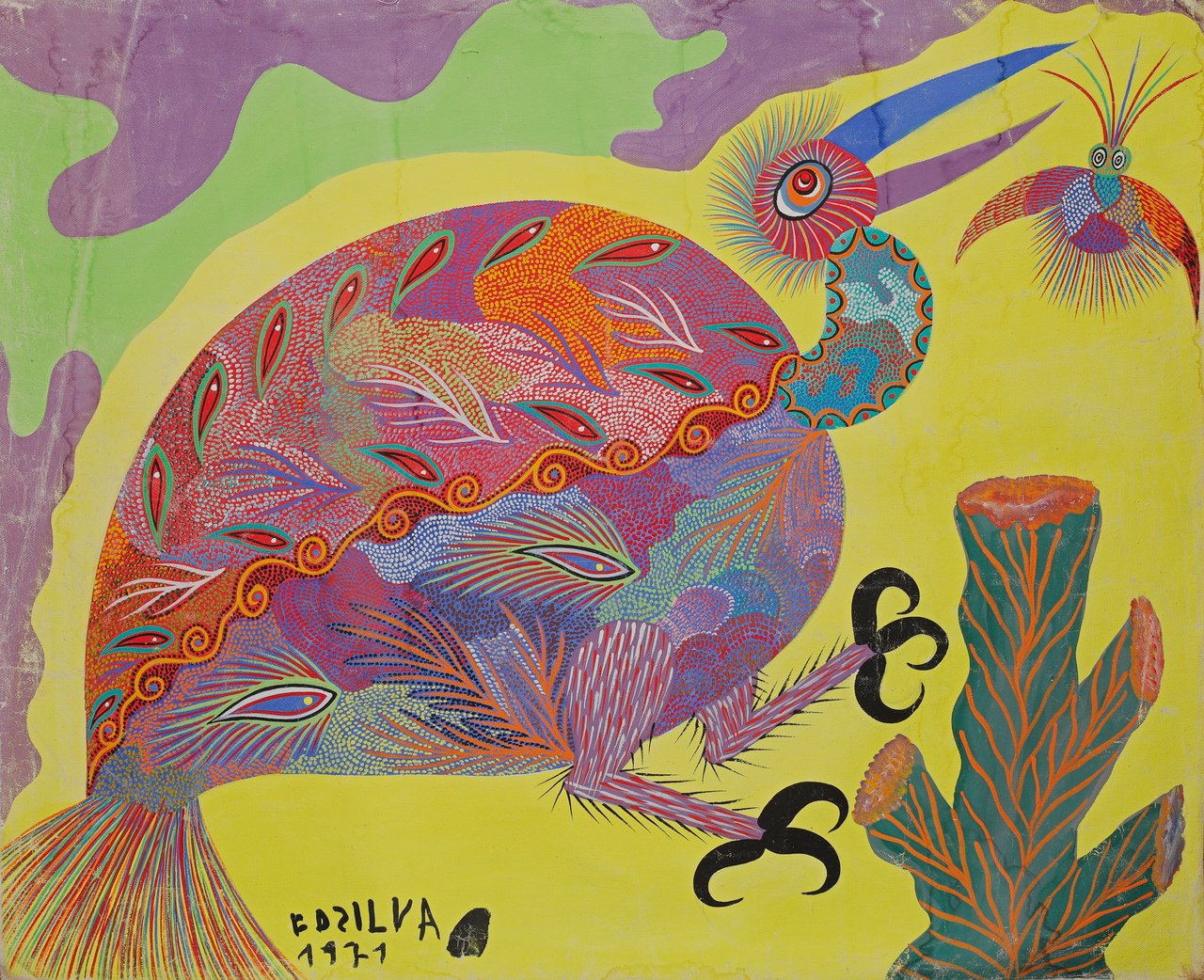
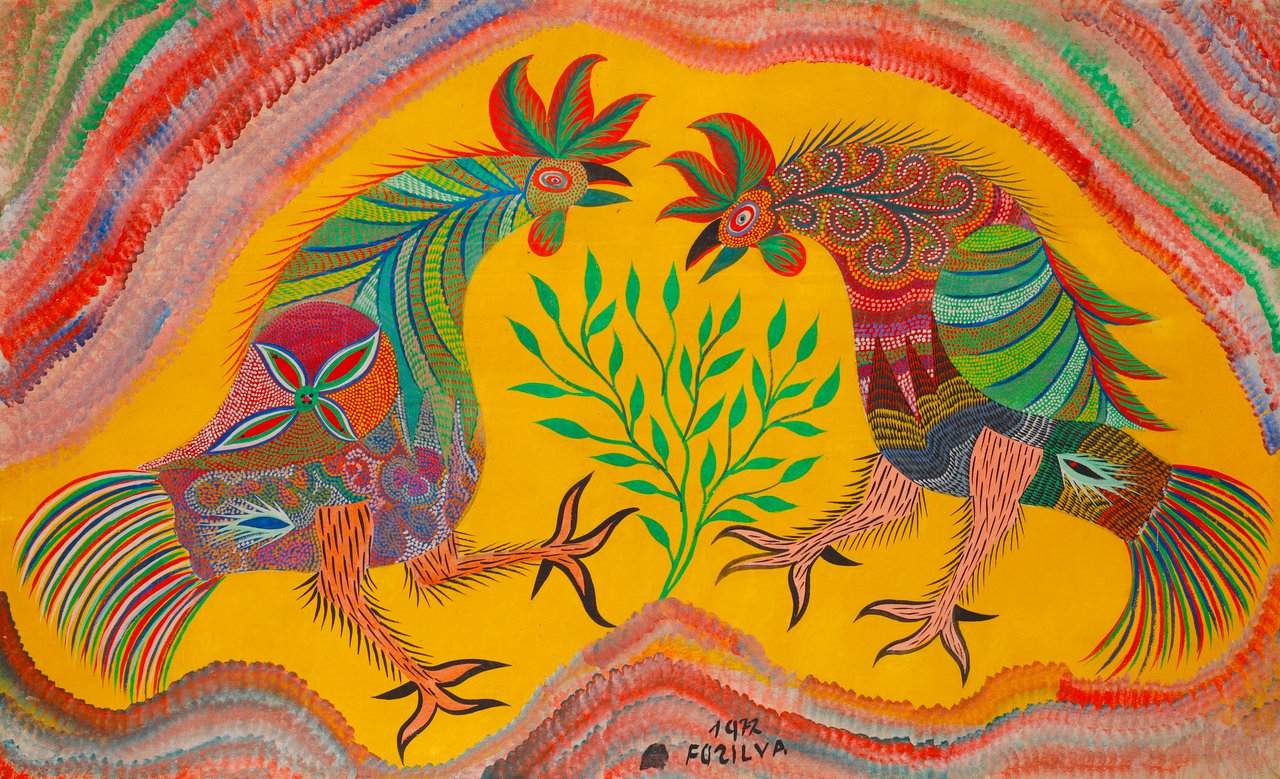
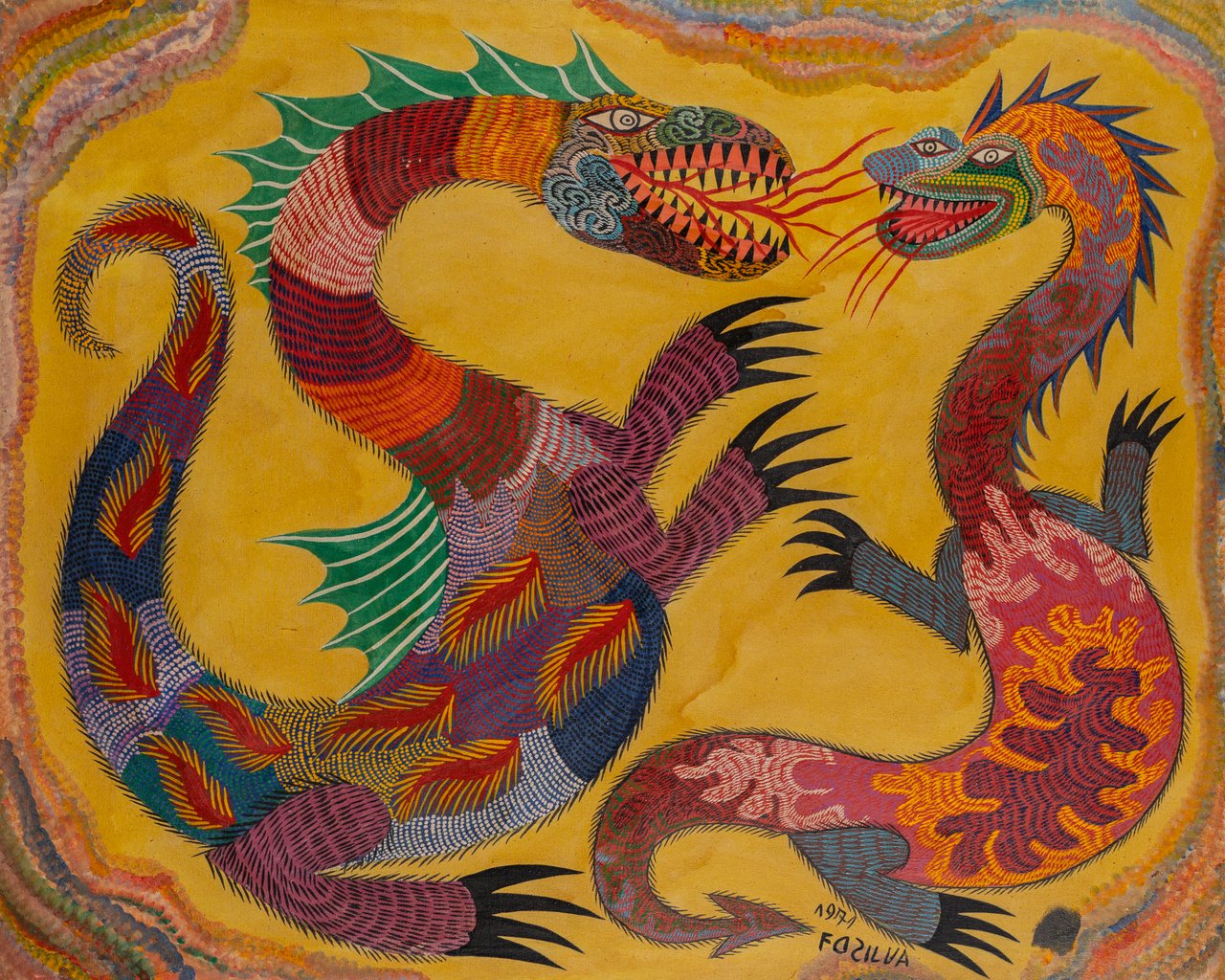
- See all works
Seen together, the works run from gouache on paper to acrylic on canvas and show how the craft passed from the master to his disciples. Each piece is photographed and catalogued, and the collection exists to keep these works together and open to anyone who wants to study them.

The Pirambu School
The article on the school →From late 1963 his house in Pirambu worked as a collective studio: the young painters of the neighbourhood learned the craft there, each at one stage of the same canvas, and paintings left the house at a pace no single hand could keep.
Articles
All articles →Articles on the life and work of Chico da Silva, written from period sources: newspapers, books, interviews and the collection itself.